
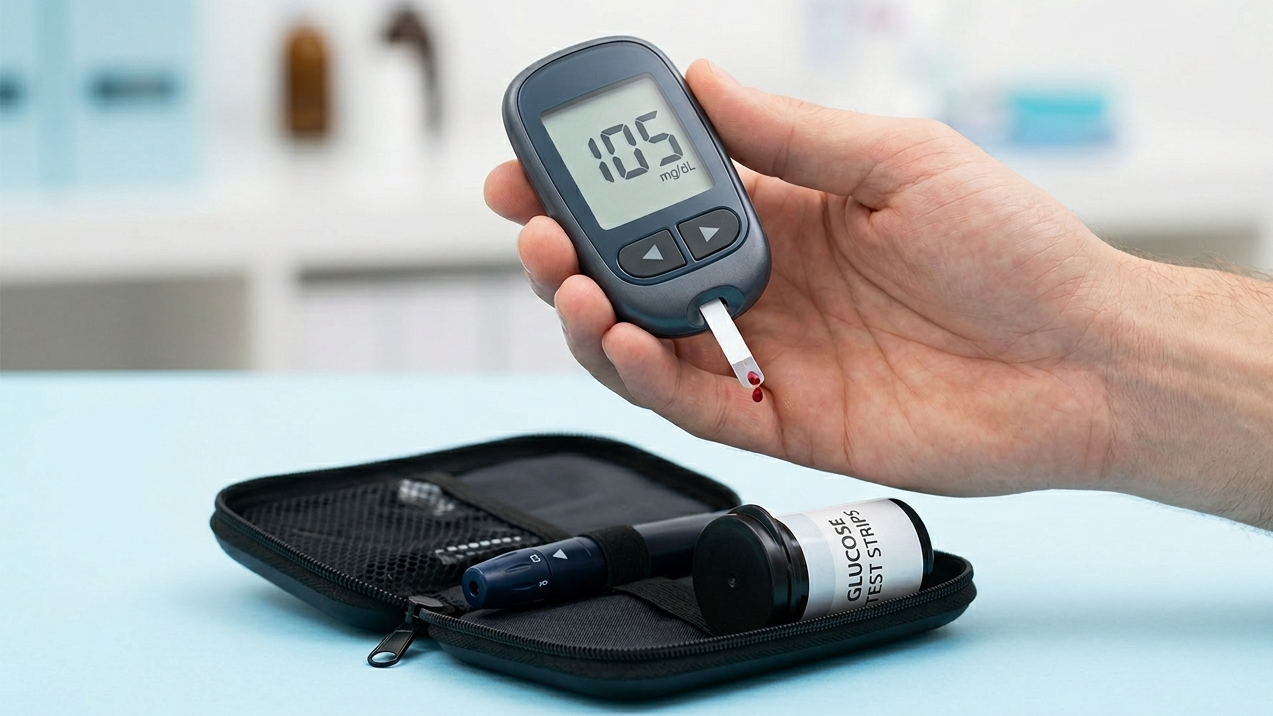
Understanding the core differences between Type 1 vs Type 2 Diabetes is crucial for effective management
Diabetes mellitus is one of the fastest-growing health challenges of the 21st century. While many people hear the word “diabetes,” they often don’t realize that it isn’t a single condition. The two most common forms, Type 1 vs Type 2 Diabetes, have different causes, different demographics, and different management strategies. Understanding these differences is crucial for patients, caregivers, and health enthusiasts alike. In this guide, we will break down everything you need to know about these two conditions in a simple yet medically accurate way.
1. What is Diabetes? The Basic Mechanism
Before diving into the differences, it is essential to understand how the body processes sugar (glucose). Glucose is the primary source of energy for our cells. To enter the cells, it needs a “key” called insulin, a hormone produced by the pancreas.
2. Type 1 Diabetes: The Autoimmune Challenge
What is it?
Type 1 diabetes is an autoimmune disease. This means the body’s immune system, which normally fights off viruses and bacteria, mistakenly attacks and destroys the insulin-producing beta cells in the pancreas.
Causes and Risk Factors
Unlike lifestyle-related conditions, Type 1 diabetes is not caused by diet or exercise habits. The exact cause is still being studied, but it is believed to be a combination of:
- Genetics: Having a family history of the disease.
- Environmental Triggers: Exposure to certain viruses or toxins that may trigger the immune response.
Typical Onset
It is often called “Juvenile Diabetes” because it is frequently diagnosed in children and young adults, though it can develop at any age.
3. Type 2 Diabetes: The Insulin Resistance Battle
What is it?
Type 2 diabetes is a metabolic disorder where the body becomes resistant to the effects of insulin or the pancreas eventually wears out and cannot produce enough insulin to maintain normal blood sugar levels.
Causes and Risk Factors
Type 2 is much more common than Type 1 (accounting for about 90-95% of cases). Major risk factors include:
- Obesity and Overweight: Excess fat, especially around the abdomen, increases insulin resistance.
- Sedentary Lifestyle: Physical inactivity makes cells less sensitive to insulin.
- Genetics: Family history plays a significant role.
- Ethnicity: Certain groups have a higher predisposition.
4. Key Differences:Type 1 vs Type 2 Diabetes
| Feature | Type 1 Diabetes | Type 2 Diabetes |
|---|---|---|
| Primary Cause | Autoimmune destruction of beta cells | Insulin resistance & lack of insulin |
| Onset | Usually rapid (weeks) | Often gradual (years) |
| Age of Diagnosis | Usually children/young adults | Usually adults, but increasing in youth |
| Body Weight | Often thin or normal weight | Often overweight or obese |
| Prevention | No known way to prevent it | Can be prevented or delayed via lifestyle |
| Insulin Requirement | Must take insulin for life | May need insulin eventually |
5. Common Symptoms – Type 1 vs Type 2 Diabetes: What to Look For
Both types share several symptoms due to high blood sugar levels (Hyperglycemia):
- Excessive Thirst (Polydipsia): The body tries to dilute the sugar.
- Frequent Urination (Polyuria): The kidneys work overtime to filter excess glucose.
- Unexplained Weight Loss: Especially common in Type 1 as the body burns fat for energy.
- Fatigue: Cells are starving for energy despite high sugar in the blood.
- Blurred Vision: High sugar levels affect the lenses of the eyes.
6. Diagnosis and Testing (Type 1 vs Type 2 Diabetes)
As a medical platform like MedNode aims to educate, it’s important to mention how doctors confirm the diagnosis:
- HbA1c Test: Measures average blood sugar over the past 2-3 months.
- Fasting Plasma Glucose (FPG): Taken after an 8-hour fast.
- Oral Glucose Tolerance Test (OGTT): Measures response to a sugary drink.
7. Management and Treatment Strategies (Type 1 vs Type 2 Diabetes)
Managing Type 1
Since the pancreas produces no insulin, patients must take daily insulin injections or use an insulin pump. Continuous Glucose Monitoring (CGM) is also a vital tool for modern management.
Managing Type 2
Management often starts with lifestyle changes:
- Healthy Diet: Focusing on low-glycemic index foods and fiber.
- Exercise: At least 150 minutes of moderate activity per week.
- Medication: Such as Metformin to improve insulin sensitivity.
- Insulin: Some patients may eventually require insulin as the disease progresses.
8. Long-term Complications (Type 1 vs Type 2 Diabetes)
If left unmanaged, both types can lead to serious health issues, including:
- Cardiovascular Disease: Higher risk of heart attacks and strokes.
- Neuropathy: Nerve damage, especially in the feet.
- Retinopathy: Damage to the blood vessels in the retina (blindness).
- Nephropathy: Kidney failure requiring dialysis.
9. Can Diabetes Be Cured Type 1 vs Type 2 Diabetes?
Currently, there is no cure for Type 1 diabetes. However, for Type 2, many patients can achieve “remission” through significant weight loss and lifestyle changes, keeping their blood sugar in a healthy range without medication
Summary: Type 1 vs Type 2 Diabetes
While Type 1 and Type 2 diabetes are different in their origins, they both require careful management and medical supervision. Early diagnosis is key to preventing complications. If you suspect you have any symptoms, consult a healthcare professional immediately.
Medical Disclaimer: This article is for informational purposes only and does not substitute professional medical advice. Always seek the advice of your physician regarding any medical condition.
References & Clinical Sources:
To ensure the highest level of medical accuracy, this guide references data and clinical definitions from the following trusted health organizations:
- American Diabetes Association (ADA): Comprehensive guidelines on the diagnosis and differences between Type 1 and Type 2 Diabetes.
- Centers for Disease Control and Prevention (CDC): National standards and basic mechanisms of diabetes mellitus
- Mayo Clinic: Clinical overviews of diabetes symptoms, causes, and long-term management strategies