


A diagnosis of congestive heart failure (CHF) sounds terrifying to most patients and their families. However, the medical term does not mean the heart has suddenly stopped beating. It simply means the cardiac muscle is failing to pump blood efficiently enough to meet the body’s physiological demands.
In geriatric patients, the onset of this pump failure is often insidious and easily mistaken for normal aging. Catching these subtle clinical symptoms early drastically improves survival rates and prevents catastrophic cardiac emergencies.
Severe Shortness of Breath (Dyspnea)
The absolute earliest indicator of a failing heart involves breathing difficulties during routine daily tasks. Medical professionals refer to this as exertional dyspnea. An elderly patient might suddenly struggle to climb a single flight of stairs, walk to the mailbox, or even get dressed without stopping to catch their breath.
Nighttime breathing issues provide an even more specific diagnostic clue. Watch closely for orthopnea, a condition that forces patients to prop themselves up on multiple pillows just to breathe comfortably in bed. A severe red flag is paroxysmal nocturnal dyspnea (PND). This terrifying symptom causes the patient to wake up suddenly in the middle of the night, gasping for air and feeling a sensation of suffocation.
Rapid Weight Gain and Swelling (Edema)
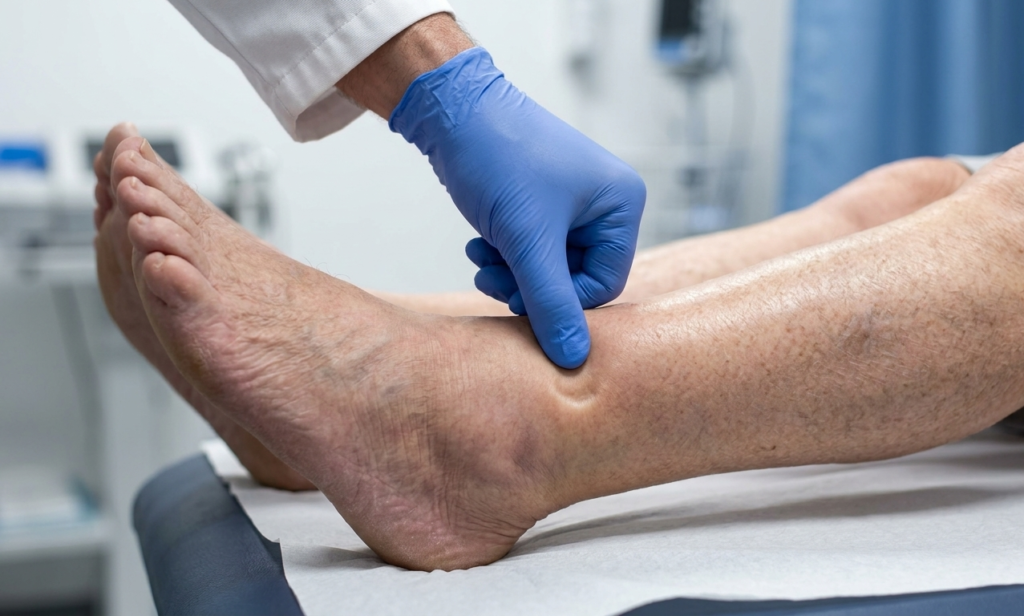
When the heart pumps weakly, blood actively backs up into the venous system. This systemic pressure forces intravascular fluid to leak into the surrounding tissues, causing severe peripheral edema. You will primarily notice this tight, uncomfortable swelling in the feet, ankles, and lower legs.
This massive fluid retention leads to rapid, unexplained weight gain. A weight increase of two to three pounds in a single 24-hour period, or five pounds in a week, is a critical clinical warning sign. Geriatric patients with cardiac risks must weigh themselves every single morning to track these dangerous fluid shifts.
Chronic Cough and Wheezing
Fluid backing up into the pulmonary system causes persistent lung irritation. Patients frequently develop a chronic, hacking cough that entirely fails to respond to standard over-the-counter cough suppressants. They may also produce white or pink blood-tinged sputum, which directly indicates severe fluid buildup within the pulmonary alveoli.
Unexplained Fatigue and Muscle Weakness
A failing heart must prioritize sending oxygen-rich blood to the brain and vital internal organs. To accomplish this, the cardiovascular system actively pulls blood flow away from the skeletal muscles in the limbs. This physiological triage leaves elderly patients feeling overwhelmingly exhausted. They may describe their legs as feeling incredibly heavy or complain of a profound lack of energy that rest does not fix.
Cognitive Confusion and Memory Loss
Decreased cardiac output directly reduces the volume of oxygen delivered to the brain. In elderly patients, this localized hypoxia manifests as sudden mental confusion, impaired thinking, or severe spatial disorientation. Families frequently mistake these rapid cognitive shifts for early-onset dementia or Alzheimer’s disease, delaying life-saving cardiac intervention.
Clinical Insight:
“In the emergency department, families frequently bring in elderly parents complaining of a ‘stubborn chest cold’ that has lasted for weeks. Upon pulmonary auscultation (listening to the lungs with a stethoscope), we hear distinct crackles at the bases. We immediately draw a BNP (B-type Natriuretic Peptide) blood test, and the results often soar over 1,000 pg/mL. That ‘cold’ is actually acute decompensated heart failure. Never ignore a persistent wet cough accompanied by lower extremity swelling in a geriatric patient.”
Normal Aging vs. Early Heart Failure
Distinguishing between natural age-related decline and a failing cardiovascular system requires sharp clinical observation. Use this comparative breakdown to identify true cardiac distress:
| Clinical Symptom | Normal Geriatric Aging | Potential Heart Failure (CHF) |
|---|---|---|
| Breathing | Mildly out of breath after heavy exertion; recovers quickly. | Breathless while resting or talking; waking up gasping for air. |
| Swelling | Mild ankle swelling after standing all day; resolves with elevation. | Severe, pitting edema in both legs; shoes suddenly do not fit. |
| Weight | Gradual weight fluctuations over months. | Gaining 3+ pounds overnight due to severe fluid retention. |
| Energy Levels | Needing a nap after a busy afternoon. | Profound exhaustion getting out of bed or walking to the bathroom. |
Diagnostic Testing: What to Expect at the Clinic
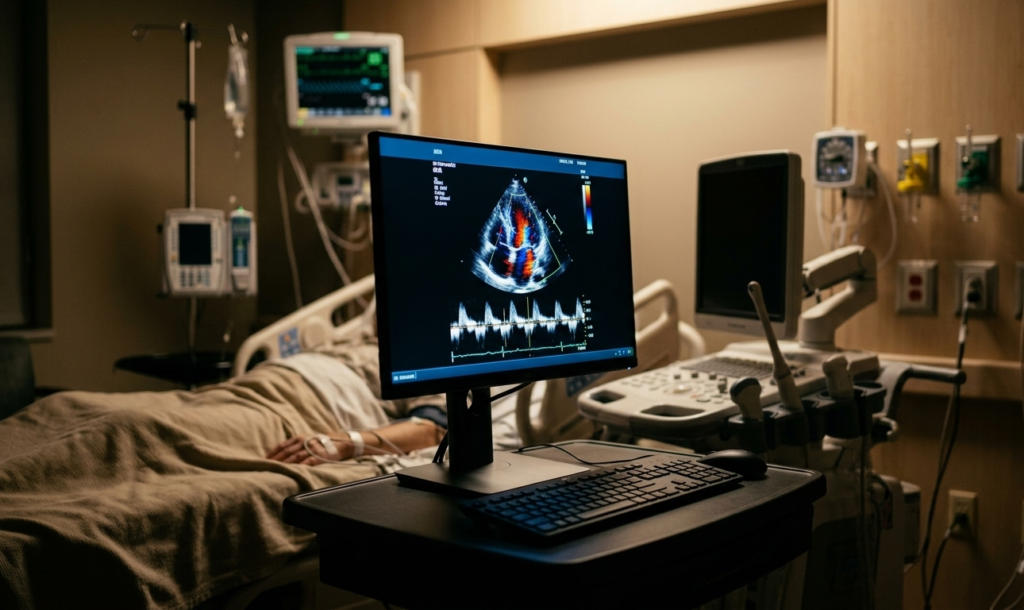
If you suspect congestive heart failure, the patient requires an immediate evaluation by a board-certified cardiologist. The physician will order specific, non-invasive tests to confirm the diagnosis and determine the severity of the cardiac damage.
- Echocardiogram (Echo): This cardiac ultrasound utilizes sound waves to create a detailed video of the heart pumping. It allows the physician to measure the Ejection Fraction (EF), which is the exact percentage of blood leaving the heart each time it contracts.
- BNP Blood Test: The heart ventricles secrete a specific hormone called B-type Natriuretic Peptide when they stretch and work too hard. Elevated BNP levels strictly confirm heart failure.
- Electrocardiogram (ECG/EKG): This rapid test measures the electrical activity of the heart to detect arrhythmias, ischemic damage, or thickened ventricular walls.
- Chest X-Ray: This imaging detects cardiomegaly (an enlarged heart) and visually confirms the presence of fluid buildup inside the lungs.
⚖️ Medical Disclaimer
Disclaimer: The information provided on MedNode, including text, graphics, images, and other material contained on this website, is for educational and informational purposes only. It is not intended as a substitute for professional medical advice, diagnosis, or treatment. Always seek the direct advice of your physician or other qualified healthcare provider with any questions you may have regarding a medical condition. Reliance on any information provided by MedNode is solely at your own risk. If you think you may have a medical emergency, call your local emergency services immediately.