


”When most people imagine a heart attack, they picture a highly dramatic, cinematic event. However, recognizing silent heart attack symptoms is critical, as the clinical reality is often far more deceptive and insidious.”
According to the American Heart Association, nearly 45% of all myocardial infarctions (heart attacks) are classified as Silent Myocardial Infarctions (SMI). A silent heart attack occurs when the flow of oxygen-rich blood to the cardiac muscle is severely reduced or completely blocked, yet the patient feels either no symptoms at all or symptoms so vague and mild they are easily mistaken for a minor, everyday illness. Understanding the stark clinical differences in how these subtle warning signs present in men versus women is a critical step in preventing sudden cardiac death.
🩺 A Clinical Perspective from the Emergency Department
“During clinical rotations in the Emergency Department, the most heartbreaking cases we encounter are rarely the dramatic, sirens-blaring arrivals. They are the quiet ones. I frequently see patients—especially women and those with long-standing diabetes—who walk into the triage area complaining of a ‘stubborn flu,’ ‘unexplained exhaustion,’ or ‘bad heartburn’ that has lingered for days. It is only when we run a routine 12-lead ECG that we uncover the devastating Q-waves of a completed, silent myocardial infarction. Looking a patient in the eye and explaining that their recent bout of ‘indigestion’ was actually a heart attack that has permanently scarred their cardiac muscle is a profound reminder of why clinical vigilance is paramount. As medical professionals, we cannot rely solely on the textbook presentation of crushing chest pain; we must listen closely to the subtle, atypical whispers of a failing heart.”
The Pathophysiology of a Silent Heart Attack
To understand why a heart attack can be “silent,” we must first look at the mechanics of a myocardial infarction. The heart muscle, or myocardium, requires a constant supply of oxygen-rich blood delivered by the coronary arteries. When a cholesterol plaque ruptures inside one of these arteries, a blood clot forms rapidly, obstructing blood flow. The tissue downstream from this blockage begins to starve for oxygen (ischemia) and will eventually die (necrosis) if blood flow is not restored.
In a typical heart attack, this sudden ischemia triggers intense pain receptors, sending distress signals through the spinal cord to the brain, which we perceive as crushing chest pain (angina). However, in a silent heart attack, this pain signaling pathway is interrupted or muted. This can happen for several physiological reasons:
- Autonomic Neuropathy: Common in diabetic patients, this condition damages the nerves responsible for carrying pain signals from the internal organs.
- High Pain Thresholds: Some individuals naturally possess higher tolerances to visceral pain.
- Atypical Dermatome Mapping: The brain can misinterpret the origin of the cardiac pain, referring it to the stomach, jaw, or back instead of the chest.
During an SMI, the heart muscle is actively sustaining irreversible damage. Because the classic “crushing” pain is absent, patients rarely seek immediate emergency care. This delay in medical intervention drastically increases the risk of developing congestive heart failure, severe arrhythmias, or experiencing a fatal cardiac event in the subsequent months.
How Silent Heart Attack Symptoms Present in Men
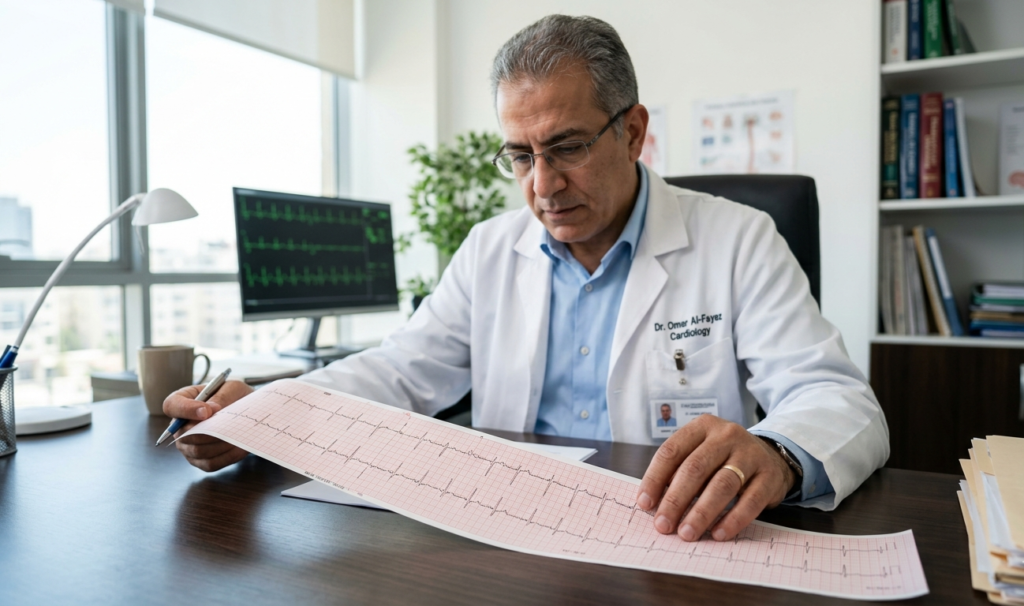
Men are statistically more prone to experiencing obstructive coronary artery disease—where a major plaque blockage occurs in one of the large coronary arteries. While men frequently experience the “classic” symptoms, when an SMI occurs, the signs are dangerously deceiving. Men tend to dismiss these subtle clinical red flags, writing them off as the result of a heavy meal, a tough workout, muscle strain, or simply the normal aches and pains of aging.
1. Mild Central Chest Pressure or Discomfort
Instead of sharp, agonizing pain, men experiencing a silent heart attack often describe a vague, dull ache. It may feel like a band tightening around the ribs, a localized feeling of fullness, or a sensation that a heavy object is sitting directly in the center of the chest. This discomfort often fluctuates, lasting for a few minutes, going away entirely, and then returning hours later.
2. Unexplained Indigestion or Severe Heartburn
This is perhaps the most dangerous and common misdiagnosis in men. The inferior wall of the heart (the bottom portion) sits directly above the stomach and the diaphragm. When an infarction occurs in this specific area, the localized inflammation and nerve irritation mimic the exact sensation of severe acid reflux, gastritis, or indigestion. If a man experiences sudden, severe heartburn accompanied by a cold sweat, and it does not improve with standard antacids, it is a massive clinical red flag.
3. Left-Sided Jaw, Neck, or Arm Ache
Cardiac pain frequently radiates outward due to the complex web of the vagus nerve and shared nerve pathways in the spinal cord. Men may experience a dull, throbbing ache that travels up into the left side of the jaw, the neck, or radiates down the inner aspect of the left arm. Because this pain is often dull rather than sharp, it is frequently dismissed as a dental issue, sleeping in an awkward position, or a minor sports injury.
4. Diaphoresis (Unexplained Cold Sweats)
The cardiovascular stress of a failing heart triggers a massive “fight or flight” response from the sympathetic nervous system. This adrenaline surge causes the body to break out in a sudden, profuse, and completely unexplained cold sweat, even if the patient is resting in a cool, air-conditioned room.
How Silent Heart Attacks Present in Women

The presentation of ischemic heart disease in women is fundamentally different from that in men. Women are significantly more likely to experience atypical or silent heart attacks. This is largely due to how the female cardiovascular system develops atherosclerosis.
Instead of massive blockages in the large main arteries, women frequently suffer from Coronary Microvascular Dysfunction (CMD) or Ischemia with No Obstructive Coronary Artery Disease (INOCA). This means the disease affects the tiny, microscopic blood vessels branching off into the heart muscle. Because the ischemia is more diffuse and widespread, the symptoms are generalized, systemic, and highly prone to misdiagnosis by both patients and healthcare providers.
1. Profound, Unexplained Fatigue
This is often the earliest and most prominent symptom in women, sometimes appearing weeks before the actual infarction. It is not the normal tiredness that follows a long day of work; it is a sudden, crushing, and debilitating exhaustion. Women frequently report that simple, routine tasks—such as making the bed, walking to the kitchen, or lifting a small grocery bag—suddenly feel physically impossible. This fatigue is a direct result of the heart failing to pump enough oxygenated blood to the skeletal muscles.
2. Upper Back and Shoulder Pain
While men typically feel pain in the front of the chest, women frequently report a sharp, aching, or burning pain radiating between the shoulder blades or in the upper back. Because this symptom mimics musculoskeletal issues, it is often dismissed as muscle tension from stress, poor posture, or sleeping wrong.
3. Shortness of Breath (Dyspnea) with Nausea
Feeling suddenly breathless while completely at rest is a major warning sign. In women, this acute shortness of breath is frequently accompanied by severe nausea, lightheadedness, or vomiting. Because these symptoms mirror the presentation of a severe gastrointestinal bug, food poisoning, or the flu, the cardiac origin is frequently overlooked.
4. Dizziness and Fainting (Syncope)
A sudden drop in cardiac output and blood pressure caused by the struggling heart muscle can lead to acute vertigo, dizziness, or actual fainting spells. In older women, these syncopal episodes are a highly concerning indicator of silent ischemia.
Clinical Comparison: Men vs. Women
To aid in clinical recognition, here is a breakdown of the typical comparative differences during a silent myocardial infarction:
| Clinical Marker | Typical Presentation in Men | Typical Presentation in Women |
|---|---|---|
| Primary Location of Discomfort | Center of the chest; radiating to the left arm. | Upper back; between shoulder blades; neck and jaw. |
| Nature of the Pain | Dull pressure, tightness, squeezing, or fullness. | Burning sensation, sharp pain, or entirely absent. |
| Accompanying Symptoms | Severe indigestion, heartburn, sudden cold sweats. | Profound fatigue, severe nausea, shortness of breath, dizziness. |
| Pathophysiological Trend | Obstructive plaque in major coronary arteries. | Microvascular dysfunction (disease in tiny arteries). |
| Common Misdiagnosis | Acid reflux, muscle strain, physical overexertion. | Anxiety, panic attacks, the flu, general fatigue. |
Major Risk Factors for Silent Heart Attacks
While anyone can suffer an SMI, certain clinical profiles carry a drastically higher risk of experiencing a heart attack without the classic chest pain:
- Diabetes Mellitus: Chronic high blood sugar damages the autonomic nervous system over time (diabetic neuropathy). This nerve damage effectively mutes the heart’s ability to transmit pain signals to the brain, making diabetics the highest-risk group for completely painless heart attacks.
- Advanced Age: As patients age, their perception of pain naturally alters, and they frequently attribute physical decline or new discomforts to “just getting older,” masking the onset of acute cardiac events.
- Hypertension and High Cholesterol: These are the primary drivers of the atherosclerosis that causes the blockages.
- Previous History of Heart Disease: Patients who have already suffered a heart attack or have been diagnosed with angina are at a heightened risk for subsequent, silent events.
The Aftermath: What Happens if Left Untreated?
The most dangerous aspect of a silent heart attack is the lack of immediate medical intervention. When a traditional heart attack occurs, patients are rushed to the ER for clot-busting drugs (thrombolytics) or emergency stenting (angioplasty) to save the dying heart tissue.
Because an SMI goes unnoticed, the blocked artery remains blocked. The deprived cardiac muscle tissue permanently dies and is replaced by rigid, non-functional scar tissue. This leads to severe long-term complications:
- Congestive Heart Failure (CHF): The scarred heart can no longer pump efficiently, leading to fluid buildup in the lungs and extremities.
- Lethal Arrhythmias: Scar tissue disrupts the heart’s delicate electrical pathways, putting the patient at high risk for Ventricular Tachycardia (V-Tach) or Ventricular Fibrillation (V-Fib), which cause sudden cardiac arrest.
Diagnostic Protocols for Suspected SMI
Because the patient is not writhing in pain, emergency departments, general practitioners, and cardiologists must rely on sharp clinical suspicion and definitive diagnostic testing if an SMI is suspected during a routine checkup.
- High-Sensitivity Cardiac Troponin (hs-cTn) Test: When cardiac muscle cells undergo necrosis (death), they rupture and release a specific structural protein called troponin into the bloodstream. A simple blood test will reveal elevated troponin levels, definitively confirming that an active or recent infarction has occurred.
- 12-Lead Electrocardiogram (ECG/EKG): An ECG is the frontline tool for detecting silent electrical changes. Cardiologists look for specific markers, such as new, deep Q-waves or inverted T-waves, which leave a permanent electrical “scar” on the reading, indicating that a segment of the heart muscle has previously been deprived of oxygen.
- Echocardiogram (Cardiac Ultrasound): This non-invasive imaging allows physicians to visualize the heart’s pumping action in real-time. A previous silent heart attack will leave a specific area of the ventricular wall moving weakly (hypokinesia) or not moving at all (akinesia).
Conclusion and Immediate Action Steps
A silent heart attack is a medical emergency disguised as a minor inconvenience. The clinical differences between men and women underscore the critical need for personalized, vigilant healthcare.
If you or a loved one experience sudden, unexplained fatigue, a stubborn bout of “indigestion” coupled with a cold sweat, or unusual upper back pain, do not try to sleep it off. Do not assume it is just the flu or stress. It is always better to visit the emergency room for a simple ECG and blood test and be sent home with a clean bill of health than to ignore the subtle warning signs of a dying heart muscle.
⚖️ Medical Disclaimer
Disclaimer: The information provided on MedNode, including text, graphics, images, and other material contained on this website, is for educational and informational purposes only. It is not intended as a substitute for professional medical advice, diagnosis, or treatment. Always seek the direct advice of your physician or other qualified healthcare provider with any questions you may have regarding a medical condition. Reliance on any information provided by MedNode is solely at your own risk. If you think you may have a medical emergency, call your local emergency services immediately.