


Testosterone Replacement Therapy (TRT) is not a magic anti-aging pill. It is a highly targeted medical intervention strictly designed for men diagnosed with clinical hypogonadism. When your body biologically fails to produce enough testosterone, the physical and psychological decline hits fast. TRT restores those critical hormone levels to a healthy, optimal physiological range.
Primary vs. Secondary Hypogonadism
Before treating low testosterone, physicians must determine the root cause of the deficiency. Medical professionals categorize this failure into two distinct types. Understanding your specific diagnosis dictates the entire trajectory of your treatment plan.
Primary hypogonadism occurs when the problem originates directly within the testicles. The brain sends the correct signals, but the testes physically cannot produce the hormone due to injury, genetics, or previous infections like mumps.
Secondary hypogonadism represents a communication failure in the brain. The hypothalamus or the pituitary gland fails to release adequate luteinizing hormone (LH) and follicle-stimulating hormone (FSH). Without these chemical messengers, the perfectly healthy testicles remain dormant.
Recognizing the Symptoms of Low Testosterone
The clinical symptoms of low testosterone (low T) frequently mimic chronic depression or standard metabolic aging. Men typically notice a severe, sudden drop in their morning erections and overall libido. This specific sexual dysfunction is almost always the primary catalyst that drives men to seek clinical help.
Patients also experience unexplained, crushing fatigue that a full night of sleep cannot fix. A rapid loss of lean muscle mass and sudden fat accumulation around the abdomen are classic metabolic red flags. Furthermore, men suffer from persistent brain fog, uncharacteristic irritability, and severely compromised concentration.
Is TRT Right for You? The Diagnostic Process

Endocrinologists do not prescribe TRT based on subjective symptoms alone. Accurate diagnosis requires rigorous, highly specific blood work. Physicians must measure your total testosterone alongside your free testosterone to get the full clinical picture.
Total testosterone measures the entire volume of the hormone circulating in your bloodstream. However, the vast majority of this hormone permanently binds to Sex Hormone-Binding Globulin (SHBG) and albumin. Once bound, this testosterone becomes biologically inactive and entirely unusable by your muscle tissue and brain receptors.
Free testosterone represents the tiny fraction of unbound, active hormone. You can easily have normal total testosterone levels but severely low free testosterone. Because testosterone levels fluctuate wildly throughout the day, phlebotomists must draw your blood before 10:00 AM. Current clinical guidelines mandate at least two separate early-morning blood tests showing levels consistently below 300 ng/dL before initiating lifelong therapy.
The Core Benefits of TRT
Once physiological therapy begins, the systemic shifts are profound and highly measurable. The primary and most immediate clinical benefit is a rapid restoration of libido and erectile quality. Patients consistently report a massive surge in baseline energy levels and renewed mental sharpness.
From a structural standpoint, TRT drastically alters body composition. It forces the metabolic system to increase lean muscle mass while actively oxidizing visceral belly fat. Therapy also significantly strengthens bone mineral density. This structural reinforcement drastically lowers the risk of catastrophic fractures and osteoporosis in aging males.
Delivery Methods: Comparing TRT Options
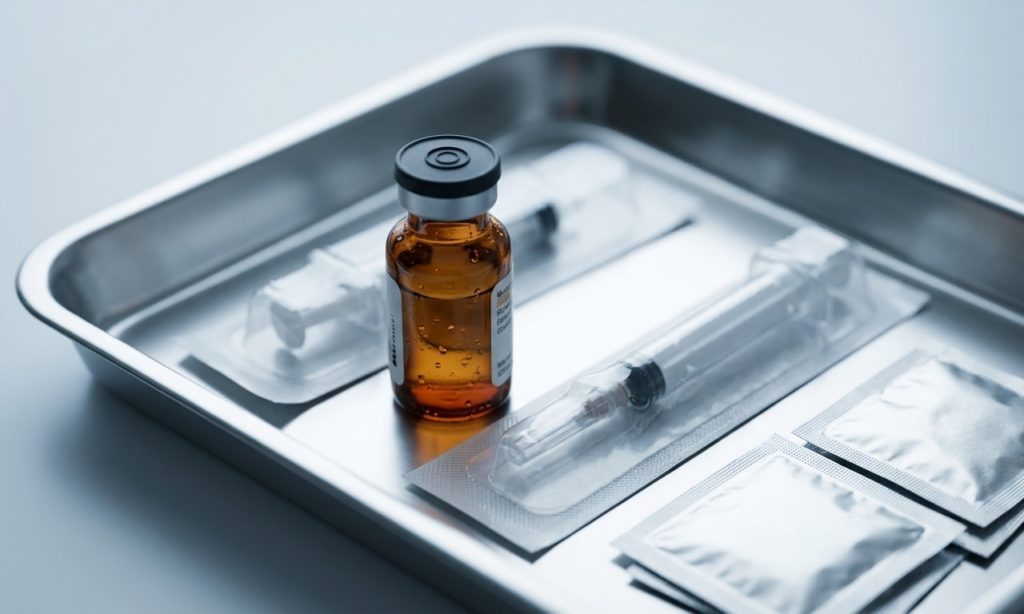
You and your physician have several delivery methods to choose from. Each protocol carries a distinct pharmacokinetic profile, unique side effects, and drastically varying financial costs.
| Delivery Method | How It Works | Major Clinical Pros | Major Clinical Cons | Est. Monthly Cost (Out of Pocket) |
|---|---|---|---|---|
| Intramuscular Injections | Injection into the glute, thigh, or deltoid (1-2x per week). | Highly precise dosing; maximum absorption; very cost-effective. | Requires self-injection; peak and trough fluctuations if not dosed frequently. | $40 – $100 |
| Topical Gels/Creams | Applied daily to the shoulders, upper arms, or thighs. | Needle-free; mimics natural daily physiological hormone release. | High risk of dangerous accidental hormone transfer to women and children. | $200 – $500 |
| Subcutaneous Pellets | Minor surgical implant of hormone pellets into the hip fat. | Ultimate convenience; steady hormone release for 3 to 6 months. | Requires a clinical procedure; difficult to adjust the dose once implanted. | $300 – $500 (averaged monthly) |
| Oral TRT (Undecanoate) | Taken as a daily pill with a heavy, high-fat meal. | Extremely easy to administer; avoids liver toxicity of older oral steroids. | Must be taken precisely with dietary fat; high cost; GI issues. | $400 – $800 |
Clinical Insight:
“Many men starting TRT focus entirely on their testosterone numbers and completely ignore their blood viscosity. Exogenous testosterone aggressively stimulates erythropoiesis, leading to secondary polycythemia (abnormally thick blood). In my clinical practice, routine monitoring of hematocrit levels is absolute and non-negotiable. If a patient’s hematocrit climbs above 52-54%, we immediately initiate therapeutic phlebotomy (blood donation) or lower the TRT dosage to prevent a hypertensive crisis or thromboembolic event. Additionally, we must monitor aromatization; high testosterone easily converts to estradiol, causing water retention and gynecomastia.”
The Real Risks and Side Effects of TRT
Every highly effective medical intervention carries inherent physical risks. Injecting exogenous testosterone forcefully shuts down your body’s natural production loop via the pituitary gland. This negative feedback loop leads to profound testicular atrophy and a severe reduction in sperm count. If you plan to have biological children soon, standard TRT will cause clinical infertility unless your doctor explicitly pairs it with human chorionic gonadotropin (hCG).
TRT can also severely exacerbate untreated obstructive sleep apnea (OSA). Doctors must aggressively screen you for breathing disorders before handing over your first prescription.
Furthermore, elevated testosterone directly increases the conversion of the hormone into dihydrotestosterone (DHT). While DHT drives male characteristics, it also triggers severe cystic acne and accelerates male pattern baldness in men genetically predisposed to hair loss.
TRT and Cardiovascular Health: The Great Debate
The fierce clinical debate around TRT and cardiovascular health remains a hot topic in cardiology. Early, highly flawed retrospective studies suggested a massive spike in heart attacks among older men taking testosterone. However, recent, highly robust clinical trials show a completely different, reassuring picture.
Maintaining testosterone strictly within a physiological norm actually offers immense cardioprotective benefits. It drastically improves endothelial function, lowers systemic blood pressure, and significantly boosts insulin sensitivity. The real cardiovascular danger arises strictly when patients abuse the dosage. Pushing your blood levels into the supraphysiological range (above 1200 ng/dL) severely damages the heart muscle and arterial walls over time.
Estrogen Management on TRT
Hormone balance operates as a highly delicate clinical seesaw. When you introduce exogenous testosterone, your body naturally converts a portion of it into estradiol via the aromatase enzyme. Men require baseline estrogen for optimal joint health, bone density, and a healthy sex drive.
Excessive estrogen, however, causes severe peripheral water retention, uncontrollable mood swings, and gynecomastia (the irreversible development of breast tissue). In highly specific clinical cases, physicians prescribe a micro-dose of an aromatase inhibitor (AI) like Anastrozole alongside your injections. Managing this precise androgen-to-estrogen ratio requires a highly skilled, specialized endocrinologist.
Post-Cycle Therapy (PCT) vs. Lifelong Medical TRT
Many men severely confuse clinical TRT with the illegal anabolic steroid cycles utilized by professional bodybuilders. Legitimate TRT is a lifelong medical commitment. You are permanently replacing what your body biologically fails to manufacture to maintain a normal human baseline.
Bodybuilders inject massive, highly toxic doses to build unnatural muscle tissue. They then use Post-Cycle Therapy (PCT) drugs like Clomid or Enclomiphene to forcefully restart their natural testicular production. With clinical TRT, there is absolutely no “cycling on and off.” If you abruptly stop taking your prescribed clinical dosage, your serum levels will crash back to near zero. Your chronic depression, severe fatigue, and sexual dysfunction will return almost immediately.
Understanding the Actual Total Costs of TRT
Healthcare budgets frequently dictate modern treatment decisions. The actual cost of TRT varies wildly based on your chosen delivery method, the prescribing clinical facility, and your specific health insurance status.
Out-of-pocket, standard testosterone injections remain the absolute cheapest and most reliable therapeutic option. Patients typically pay between $40 to $100 per month for the generic testosterone vials, drawing needles, injection syringes, and sterile alcohol swabs.
Branded topical gels remain significantly more expensive. Without robust insurance coverage, a 30-day supply easily runs from $200 to $500. Subcutaneous pellets cost between $800 and $1,500 per clinical insertion procedure, which you must endure up to four times every year.
Do not ignore the hidden, ongoing medical costs of strict clinical monitoring. Routine comprehensive blood panels and mandatory physician consultations easily add $500 to $1,500 annually to your total healthcare bill. Traditional insurance companies will occasionally cover TRT if your blood tests strictly prove severe clinical hypogonadism. However, they almost universally refuse to cover cash-only, specialized “anti-aging” or men’s vitality clinics.
Disclaimer: The information provided on MedNode, including text, graphics, images, and other material contained on this website, is for educational and informational purposes only. It is not intended as a substitute for professional medical advice, diagnosis, or treatment.
Always seek the direct advice of your physician or other qualified healthcare provider with any questions you may have regarding a medical condition or treatment plan. Never disregard professional medical advice or delay in seeking it because of something you have read on MedNode.
Reliance on any information provided by MedNode, its authors, or medical contributors is solely at your own risk. If you think you may have a medical emergency, call your doctor or your local emergency services immediately.