
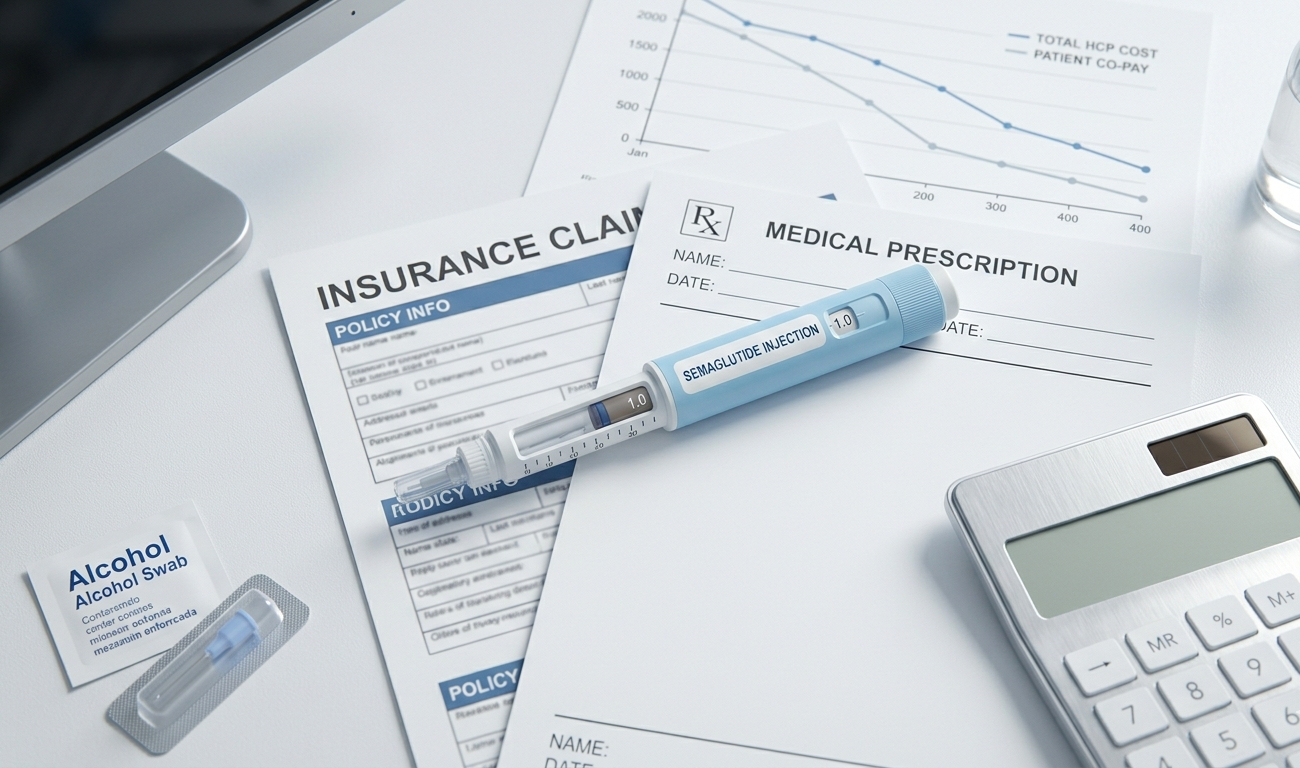
Over the past few years, the landscape of obesity treatment and weight management has undergone a massive clinical transformation. At the absolute center of this medical revolution are GLP-1 weight loss drugs, most notably recognized globally by their brand names, Ozempic and Wegovy.
Originally developed to manage blood sugar levels in Type 2 diabetes, these injectable medications have shown unprecedented, groundbreaking efficacy in promoting significant, rapid weight loss. This has captured the intense attention of both the medical community and the general public looking for effective obesity treatments.
However, as with any medical breakthrough, it is crucial to separate scientific reality from social media hype. This comprehensive clinical guide explores how GLP-1 receptor agonists work, their real-world financial implications, potential long-term side effects, and viable medical alternatives for those seeking sustainable metabolic health.
What Are GLP-1 Drugs and How Do They Work?

GLP-1 (Glucagon-like peptide-1) is a naturally occurring metabolic hormone produced in your gastrointestinal tract immediately in response to eating food. Pharmacological GLP-1 receptor agonists (like the active ingredient semaglutide) are designed to mimic this hormone, producing several highly synergistic effects in the human body:
- Powerful Appetite Suppression: These medications cross the blood-brain barrier and target specific neural receptors—particularly in the hypothalamus—that actively regulate appetite and satiety. Simply put, they silence “food noise” and make you feel full much faster.
- Delayed Gastric Emptying: GLP-1 drugs significantly slow down the rate at which food leaves your stomach and enters the small intestine. This prolonged physical sensation of fullness physically prevents overeating, binge eating, and frequent snacking.
- Optimal Insulin Regulation: They stimulate the pancreas to secrete insulin while simultaneously inhibiting glucagon release. This mechanism stabilizes blood sugar levels and prevents the massive glucose spikes that traditionally drive fat storage and insulin resistance.
The Financial Reality: Cost of GLP-1 weight loss drugs
While the clinical and aesthetic results of medications like Wegovy (FDA-approved specifically for weight loss) and Ozempic (FDA-approved for diabetes but widely prescribed off-label for weight loss) are remarkable, the financial barrier remains incredibly high for the average patient.
Out-of-Pocket Expenses
Without comprehensive medical insurance coverage, the out-of-pocket cost for a standard one-month supply of these injectable pens can be staggering. Patients can expect to pay anywhere from $900 to $1,400 per month. Because clinical obesity is classified as a chronic metabolic condition, stopping the medication often leads to a rapid “rebound effect” (weight regain), meaning this heavy financial commitment may be required long-term.
Insurance Coverage Hurdles
Navigating health insurance coverage for GLP-1 weight loss injections is notoriously difficult. While most health insurance providers readily cover Ozempic for a confirmed Type 2 diabetes diagnosis, covering Wegovy strictly for weight management is far less common.
Many insurance companies require:
- Strict prior authorizations from a physician.
- Documented proof of previous, failed dietary and exercise interventions (Step Therapy).
- A specific Body Mass Index (BMI) threshold (usually ≥30, or ≥27 with accompanying severe comorbidities like hypertension, high cholesterol, or obstructive sleep apnea) before they even consider approving coverage.
Common and Severe Side Effects of GLP-1 Agonists
WWhile GLP-1 weight loss drugs are generally considered safe and strictly monitored by a licensed clinician, GLP-1 weight loss drugs are absolutely not without adverse effects. Patients must weigh the benefits against the risks.
Gastrointestinal Distress (The Most Common)
The mechanism that makes the drug effective (slowing down the gut) is also responsible for its most frequent side effects. Patients commonly report:
- Mild to severe nausea and vomiting (especially during the dose-titration phase).
- Chronic diarrhea or severe, painful constipation.
- Acid reflux, heartburn, and generalized abdominal pain.
- Gastroparesis (stomach paralysis) in rare, severe cases.
Aesthetic and Muscular Changes
- “Ozempic Face”: Rapid and massive weight loss can lead to a sudden loss of subcutaneous facial fat, resulting in a gaunt, aged, or sagging skin appearance—a cosmetic phenomenon heavily documented by the media.
- Muscle Mass Depletion: Without adequate protein intake and resistance training, a significant portion of the weight lost on these drugs can be lean muscle tissue, not just fat, which can permanently slow down the basal metabolic rate.
Severe Clinical Risks (Rare but Serious)
- Acute Pancreatitis: Sudden, severe inflammation of the pancreas is a documented clinical risk that requires immediate emergency hospitalization.
- Gallbladder Disease: The rapid nature of the weight loss significantly increases the risk of developing gallstones.
- Thyroid Tumors: These medications carry an FDA black box warning due to laboratory studies showing an increased risk of medullary thyroid carcinoma (C-cell tumors) in rodents. They are strictly contraindicated for anyone with a personal or family history of medullary thyroid cancer or Multiple Endocrine Neoplasia syndrome type 2 (MEN 2).
Best Alternatives to Ozempic and Wegovy
If GLP-1 weight loss drugs are too expensive, cause unbearable gastrointestinal side effects, or are medically contraindicated for your specific health profile, several viable, evidence-based alternatives exist today:
1. Dual-Agonist Medications (The Next Generation)
Medications like Mounjaro and Zepbound (active ingredient: tirzepatide) are dual GIP and GLP-1 receptor agonists. Recent clinical trials have demonstrated that they may produce even greater, faster weight loss results than semaglutide alone, though they carry very similar financial costs and gastrointestinal side effects.
2. Traditional Oral Weight-Loss Pharmacotherapy
Older, more affordable, and thoroughly tested oral weight-loss medications are still highly effective when utilized under medical supervision:
- Phentermine/Topiramate (Qsymia): A powerful combination of a central nervous system stimulant (appetite suppressant) and an anti-seizure medication that reduces cravings.
- Bupropion/Naltrexone (Contrave): Specifically targets the reward and pleasure centers in the brain to reduce cravings and emotional eating behaviors.
3. Precision Metabolic Tracking
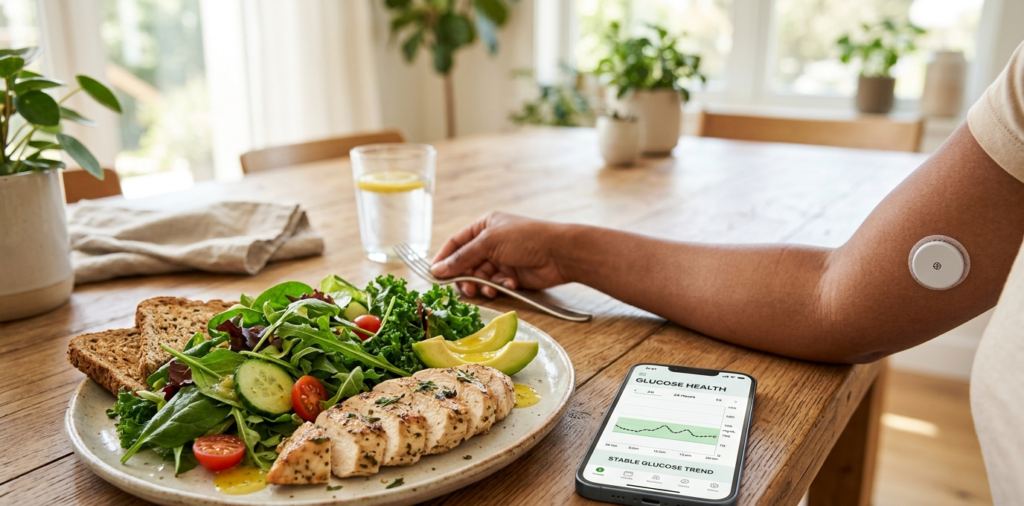
The cornerstone of any sustainable metabolic health plan remains precise lifestyle intervention. Using advanced wearable technology, such as Continuous Glucose Monitors (CGMs), allows patients to discover their unique “metabolic fingerprint.” By tracking live blood sugar data, patients can optimize food sequencing, prioritize high-protein diets, and completely flatten their glucose curves without pharmaceutical intervention.
4. Bariatric Surgery
For individuals suffering from severe, class III obesity (a BMI over 40, or a BMI over 35 with severe, life-threatening comorbidities), modern bariatric surgery (such as a laparoscopic gastric sleeve or Roux-en-Y gastric bypass) remains the undisputed gold standard for long-term, sustained weight loss and the absolute remission of metabolic diseases like Type 2 diabetes.
The Final Clinical Takeaway on GLP-1 weight loss drugs
GLP-1 weight loss drugs like Ozempic and Wegovy are highly effective, revolutionary medical tools—but they are not magic wands. To be truly effective and safe, they must be part of a broader, comprehensive, physician-supervised protocol that actively includes rigorous nutritional counseling, psychological support, and behavioral lifestyle modifications to ensure long-term, sustainable metabolic health.
Medical Disclaimer: The information provided in this article is for educational and informational purposes only and does not constitute professional medical advice, diagnosis, or treatment. Always seek the advice of your physician or other qualified healthcare provider with any questions you may have regarding a medical condition or weight management plan. Please visit our [Medical Disclaimer] page for more details.