
Hypertension: How to Lower Your Blood Pressure Naturally (And Understand Your Lipid Profile)
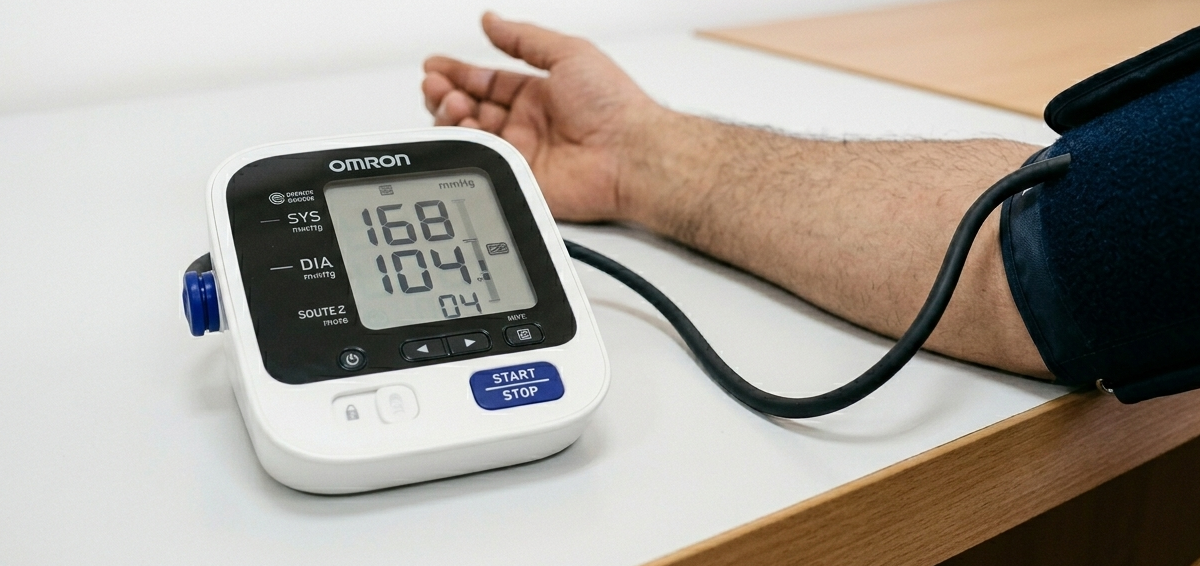
High blood pressure, clinically known as hypertension, is often called the “silent killer.” Millions of people walk around every single day with dangerously high blood pressure levels, completely unaware of the damage occurring inside their arteries. If left unmanaged, this invisible force significantly increases your risk of heart attacks, strokes, and kidney failure.
Perhaps you recently checked your numbers at a pharmacy, or your doctor handed you a lab report showing elevated blood pressure alongside a concerning lipid profile. The good news? You hold immense power to change these numbers. In this comprehensive guide, we will break down exactly what hypertension is, how to interpret your results, and actionable, evidence-based steps to start lowering your blood pressure naturally within the next 7 days.
[Table of Contents Placeholder]
What is Hypertension?
To understand hypertension, imagine your blood vessels as a network of plumbing pipes. Blood pressure is the physical force that your circulating blood exerts against the walls of these arteries as your heart pumps it around your body.
When your doctor takes your blood pressure, they record two numbers:
- Systolic Blood Pressure (The Top Number): This measures the pressure in your arteries when your heart beats and pumps blood out.
- Diastolic Blood Pressure (The Bottom Number): This measures the pressure in your arteries when your heart rests between beats.
When this pressure remains consistently too high, it creates microscopic tears in the artery walls. This is where hypertension becomes a severe medical issue, as these tears become collection sites for cholesterol and plaque.
The Crucial Link: Why Your Lipid Profile Matters
You cannot fully address hypertension without looking at your lipid profile (cholesterol test). Hypertension damages the artery walls, and a poor lipid profile provides the “spackle” (plaque) that fills those damaged areas, leading to atherosclerosis (hardening of the arteries).
A standard lipid profile test measures:
- Total Cholesterol: The overall sum of your blood’s cholesterol content.
- LDL (Low-Density Lipoprotein): Often called “bad” cholesterol. High levels lead to plaque buildup in the arteries.
- HDL (High-Density Lipoprotein): Known as “good” cholesterol. It helps carry LDL away from the arteries and back to the liver.
- Triglycerides: A type of fat in your blood. High levels, often combined with low HDL or high LDL, increase the risk of heart attacks.
Lowering your blood pressure and optimizing your lipid profile go hand-in-hand to protect your cardiovascular system.
Blood Pressure and Lipid Profile: Normal Ranges
Understanding your numbers is the first step toward taking control of your health. Below are the standard guidelines provided by the American Heart Association (AHA) and general clinical standards.
Blood Pressure Categories
| Category | Systolic (Top Number) | Diastolic (Bottom Number) | Action Required |
|---|---|---|---|
| Normal | Less than 120 mmHg | Less than 80 mmHg | Maintain healthy lifestyle. |
| Elevated | 120 – 129 mmHg | Less than 80 mmHg | Implement lifestyle changes immediately. |
| Stage 1 Hypertension | 130 – 139 mmHg | 80 – 89 mmHg | Consult a doctor; lifestyle changes + possible meds. |
| Stage 2 Hypertension | 140 mmHg or higher | 90 mmHg or higher | Medical treatment highly recommended. |
| Hypertensive Crisis | Higher than 180 mmHg | Higher than 120 mmHg | Seek emergency medical care immediately. |
Lipid Profile Target Ranges (General Adults)
| Lipid Type | Optimal Target Range |
|---|---|
| Total Cholesterol | Less than 200 mg/dL |
| LDL (Bad Cholesterol) | Less than 100 mg/dL |
| HDL (Good Cholesterol) | 60 mg/dL or higher (Under 40 is a risk factor) |
| Triglycerides | Less than 150 mg/dL |
Common Causes and Risk Factors
Why do blood pressure and cholesterol levels rise in the first place? While genetics play a significant role, your daily habits are often the primary drivers.
Key Risk Factors Include:
- High Sodium Intake: Excessive salt forces your body to retain water, increasing blood volume and pressure.
- Poor Diet: Diets high in saturated fats and trans fats directly elevate LDL cholesterol and triglycerides.
- Sedentary Lifestyle: A lack of physical activity weakens the heart muscle, forcing it to work harder to pump blood.
- Obesity and Overweight: Extra body mass requires more blood to supply oxygen, increasing pressure on artery walls.
- Chronic Stress: High cortisol and adrenaline levels temporarily, but repeatedly, spike blood pressure.
- Age and Genetics: Arteries naturally stiffen as we age, and a family history of hypertension increases your baseline risk.
How to Lower Your Blood Pressure Naturally in 7 Days
While chronic hypertension is a long-term condition that may require medication, you can make dramatic improvements to your numbers within just one week by implementing an aggressive, natural lifestyle overhaul. Here is your 7-day action plan:
1. Slash Your Sodium Intake Immediately
The quickest way to drop your blood pressure naturally is to reduce salt. The AHA recommends no more than 1,500 mg of sodium per day for most adults with high blood pressure.
- Stop adding table salt to your meals.
- Avoid processed foods, canned soups, and fast food, which are hidden sodium bombs.
- Read nutrition labels carefully.
2. Boost Your Potassium
Potassium is sodium’s natural enemy; it helps your body flush out excess salt through your urine and relaxes the tension in your blood vessel walls.
- Incorporate potassium-rich foods like bananas, sweet potatoes, spinach, and avocados into your daily meals.
- Medical note: If you have kidney disease, consult your doctor before increasing potassium.
3. Adopt the DASH Diet Principles
The Dietary Approaches to Stop Hypertension (DASH) diet is clinically proven to lower blood pressure.
- Focus heavily on fruits, vegetables, and whole grains.
- Switch to lean proteins (like chicken and fish) and eliminate red meat and full-fat dairy to simultaneously improve your lipid profile.
- Use olive oil (healthy fats) to boost your HDL cholesterol.
4. Hydrate Strategically
Dehydration causes your blood to become thicker, forcing your heart to pump harder. It also causes your body to release vasopressin, a hormone that constricts blood vessels.
- Drink at least 8 to 10 glasses of water daily.
- Replace sugary drinks and excessive caffeine with plain water or herbal teas, like hibiscus tea, which has been shown to have mild blood-pressure-lowering properties.
5. Practice Deep Breathing and Vagus Nerve Stimulation
Stress triggers the “fight or flight” response, constricting your blood vessels. You can reverse this by activating your parasympathetic nervous system.
- Dedicate 10 minutes every morning and evening to deep diaphragmatic breathing (inhale for 4 seconds, hold for 4, exhale for 6).
- This simple practice rapidly slows the heart rate and dilates blood vessels, offering immediate, temporary reductions in blood pressure.
6. Prioritize 7-8 Hours of Quality Sleep
Your blood pressure naturally dips while you sleep. Sleep deprivation disrupts this cycle, leading to higher baseline blood pressure the next day.
- Maintain a strict sleep schedule.
- Keep your room cool and dark, and avoid screens for an hour before bed.
7. Get Moving
You don’t need to run a marathon, but getting your heart rate up is vital.
- Engage in 30 minutes of brisk walking, cycling, or swimming daily. Exercise makes your heart stronger, allowing it to pump blood with less effort.
When to See a Doctor
While natural lifestyle changes are powerful, they are not a substitute for professional medical care, especially if your numbers are dangerously high. You must consult a healthcare provider if:
- Your blood pressure consistently reads above 140/90 mmHg despite lifestyle changes.
- You experience symptoms of a hypertensive crisis, including severe chest pain, blinding headaches, shortness of breath, numbness, or blurred vision. This is a medical emergency.
- You have existing conditions like diabetes or kidney disease.
Conclusion
Managing hypertension and understanding your lipid profile are two of the most critical steps you can take for your long-term health. While medications are sometimes necessary and life-saving, your daily habits remain the foundation of cardiovascular health. By aggressively cutting sodium, increasing potassium, managing stress, and eating clean, you can start to see a natural decline in your blood pressure in as little as 7 days. Take control of your numbers today before they take control of you.
Medical Disclaimer: The information provided in this article is for educational and informational purposes only and is not intended as medical advice. Always consult with a qualified healthcare professional regarding any medical condition, diagnosis, or treatment plan. Do not stop taking prescribed medications without your doctor’s supervision.